Skip to content
LEANODM
Menu

IP Protection for OEM & ODM Projects

Protect the idea, the work and the physical product throughout your project.

Xinyinhai applies an established IP and confidentiality management framework across development and manufacturing. Protection covers the people, information, physical items and approved outside parties involved in your project.

  1. Customer inputs
  2. Approved project access
  3. Agreed handover
A connected control system, from first discussion to project closure. Schematic only.

Protect more than the final design.

Information and physical items are managed together. An early concept, an unfinished prototype and an obsolete production file can all contain valuable customer IP.

Ideas & commercial information
Product concepts, briefs, specifications, quotations, purchasing plans and restricted business information.
Design & electronic files
Industrial and mechanical designs, drawings, CAD, circuit designs, electronic records and technical documents.
Firmware & content
Programs, agreed source files, production firmware, encrypted packages, audio, artwork and packaging files.
Samples & tooling
Prototypes, molds, trial parts, samples, sensitive components, packaging, surplus and defective items.

Xinyinhai’s implemented framework covers personnel permissions, confidentiality training, document control, controlled areas, samples and tooling, supply-chain confidentiality, scrap and destruction, internal audits, traceable records and abnormal-event handling. Project-specific requirements are confirmed before the relevant work or transfer.

Protection follows the project.

Responsibilities and records change as the work moves forward. Select a stage to see the controls that support the next decision.

Share only what the first review needs

Begin with a non-sensitive product overview. Discuss the NDA, approved contacts and information exchange before providing restricted design or commercial details.

Typical control record
Confidentiality arrangement, project contacts and agreed exchange route.

Keep development files tied to an approved revision

Authorize access by role. Control drawings, electronics, firmware and content revisions, document design approvals, and confirm ownership and the technical handover scope.

Typical control record
Project permissions, approved revisions, review decisions and deliverable list.

Extend confidentiality to approved outside work

Approve outside parties and release only the materials needed for the task. Apply confidentiality requirements, control physical transfers and keep handover and return records.

Typical control record
Recipient approval, controlled release scope and item movement records.

Use the approved information and authorized quantities

Issue current work information to the relevant production and quality roles. Control access to project areas, samples and tooling; apply the agreed firmware and programming controls.

Typical control record
Production release, item custody, inspection and programming reconciliation records as applicable.

Close access and physical items with traceable decisions

Complete the agreed technical and tooling handover. Reconcile samples, surplus and defective items; arrange approved return, controlled retention or destruction. Adjust permissions and retain the required records.

Typical control record
Handover acknowledgment, quantity reconciliation, disposition and access-closure records.

People and outside parties

Confidentiality requirements cover the development, production, quality and project personnel who actually participate, plus approved outside parties. Access follows the work need and changes when responsibilities change.

Review and corrective action

Internal review and audits check the controls and records. A concern is reported, contained and investigated, with customer notification as appropriate to the facts and agreed obligations, corrective action and recorded closure.

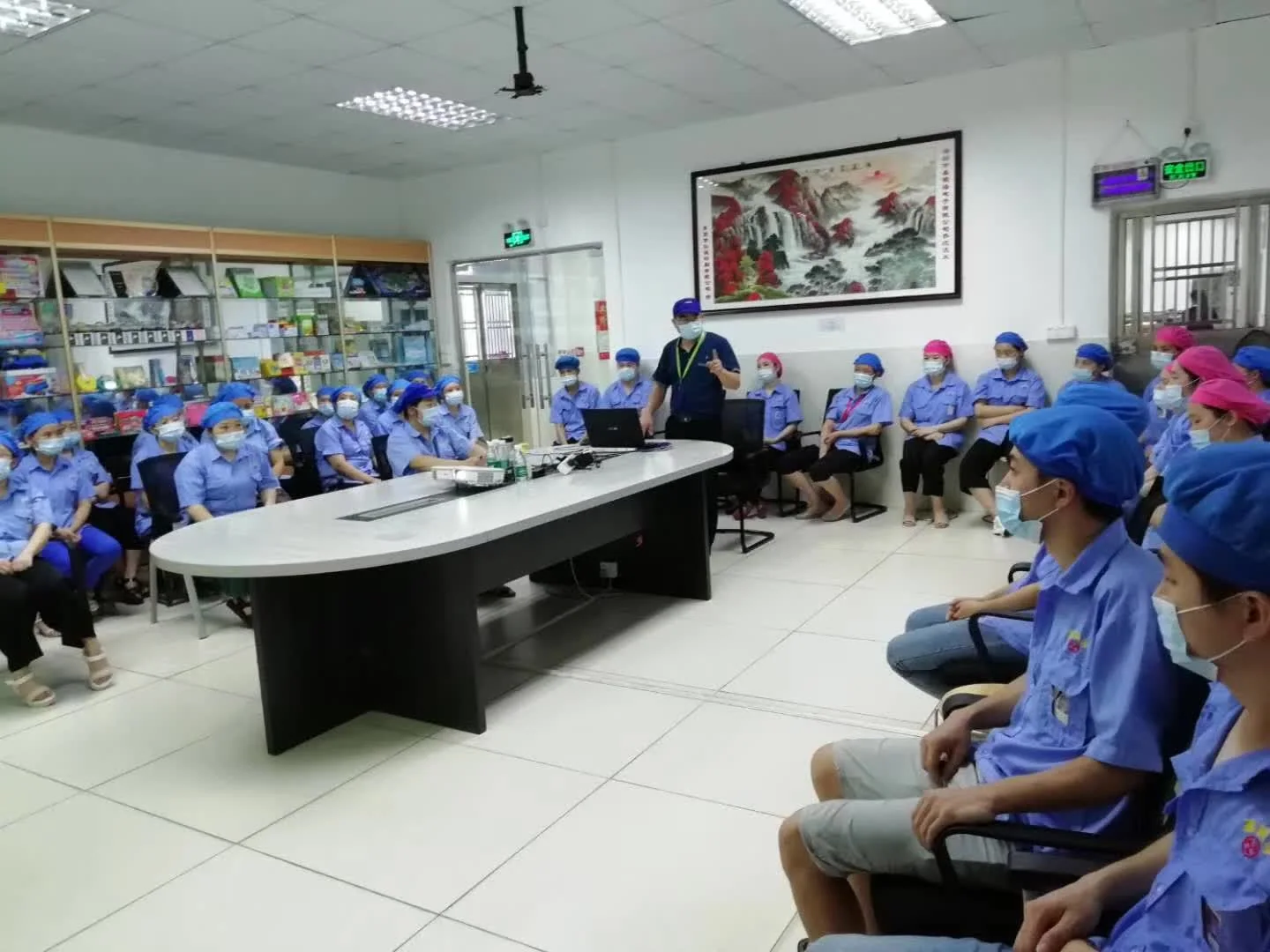
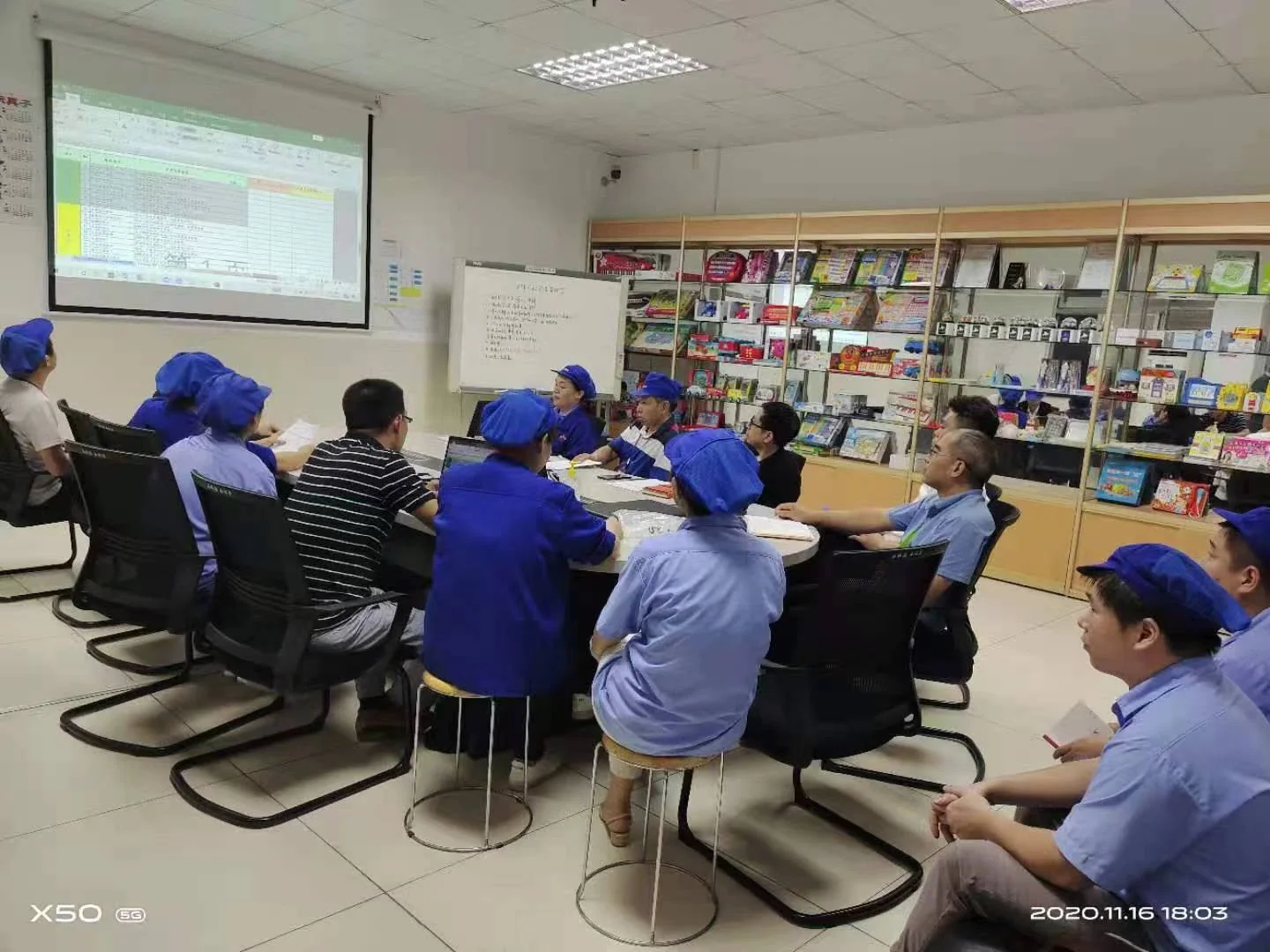
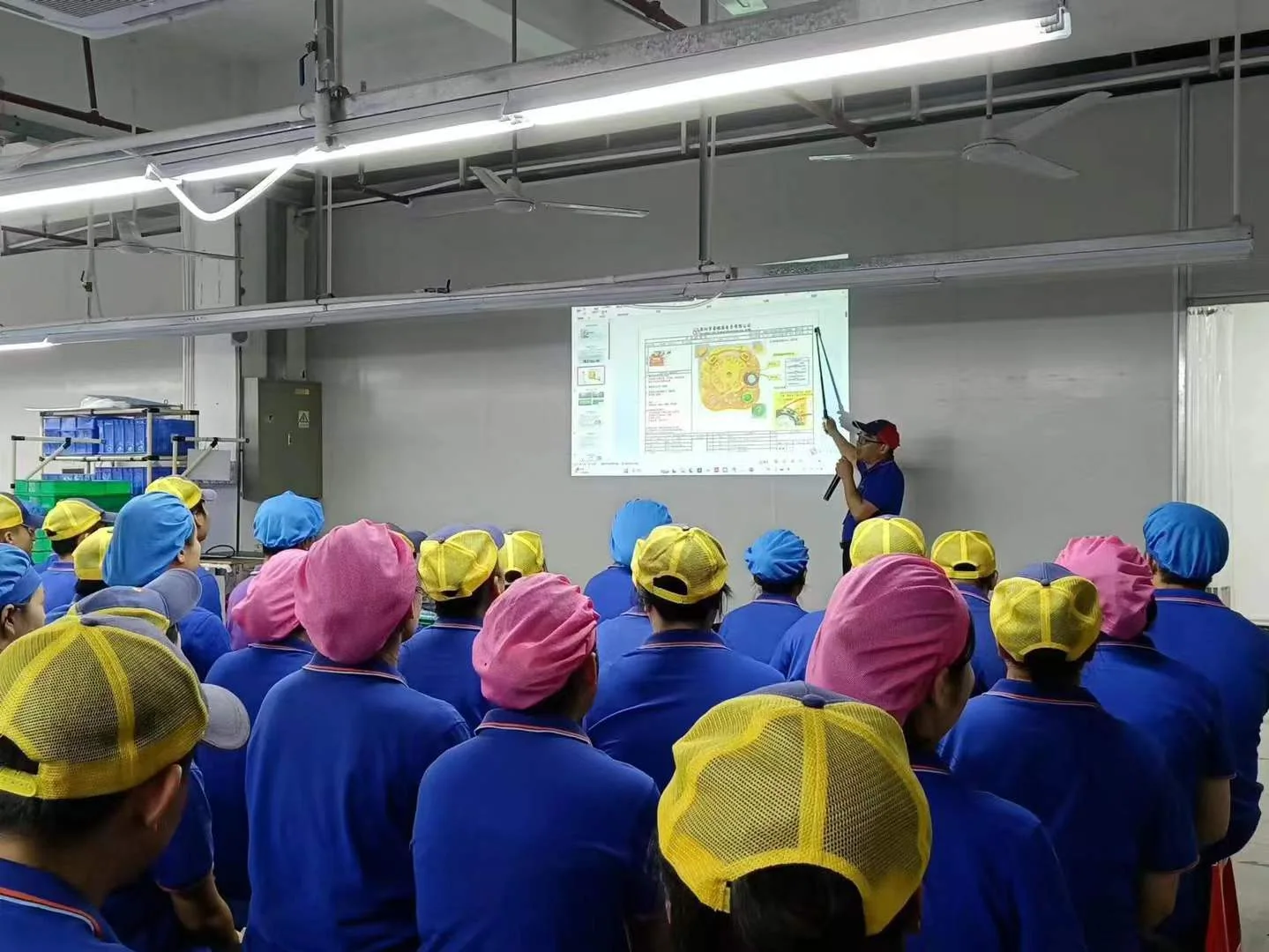
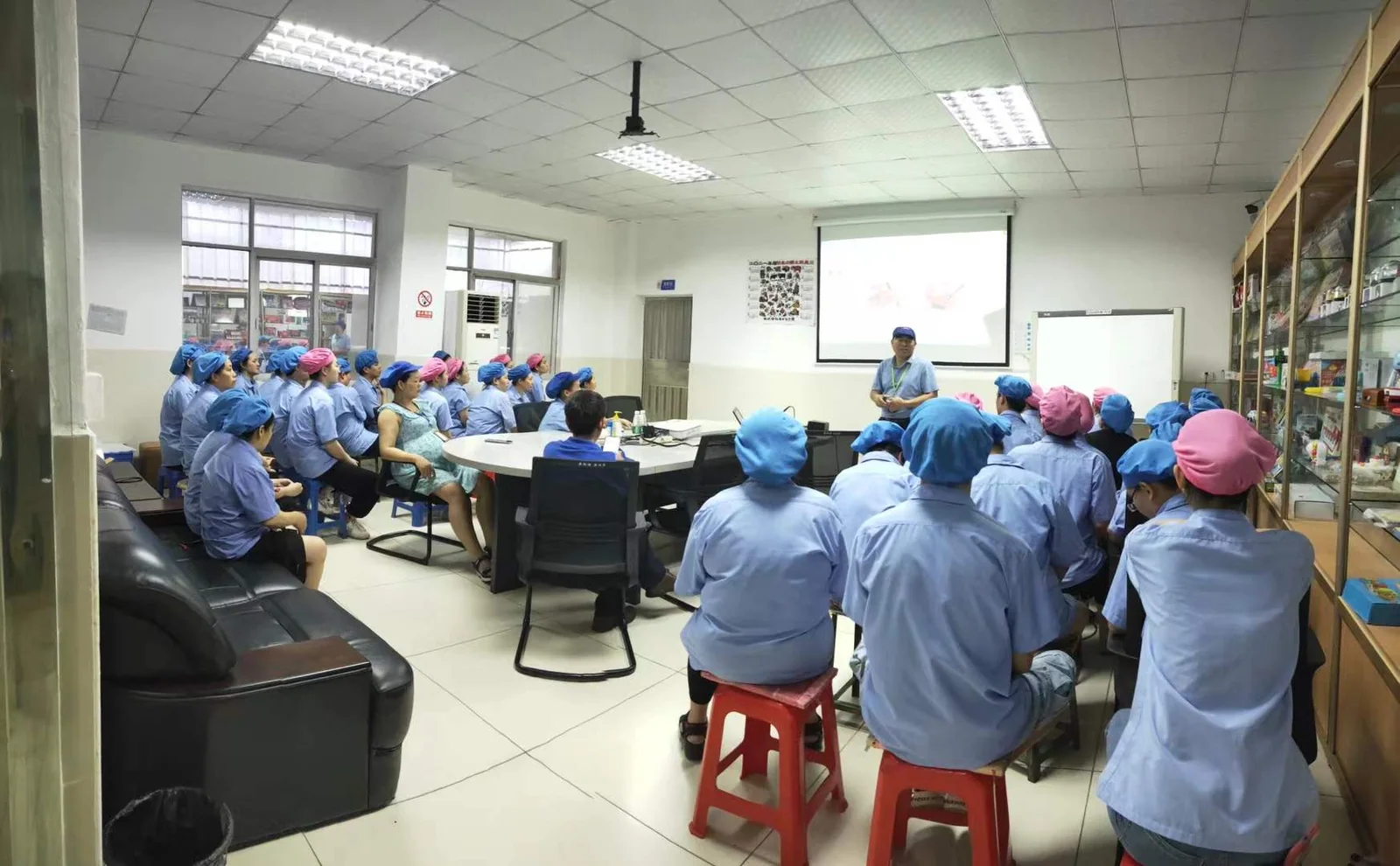
Training and confidentiality in practice

Find the protection detail you need.

Five connected guides explain how information, rights, physical items and production firmware are controlled—and how to start the conversation.

Image viewer

Zoom stops at the supplied image resolution. Open image file ↗

Questions before you share the details

Clarify the protection, responsibilities and next step for your project.

What is covered by project confidentiality?

Ideas, industrial and mechanical designs, drawings, electronic files, firmware, content, samples, tooling and commercial information are covered. Access and handling requirements are defined for the people and approved outside parties involved.

Who owns the development results?

Development ownership is confirmed as the customer directs. For joint development, once the agreed one-time development fee is paid in full, the project development results belong to the customer or the rights holder designated by the customer. The deliverables, file formats and handover arrangements are confirmed in the project scope.

Can our project or product be shown to another customer?

No customer information, designs, samples or development results are used for other customers, resale, licensing, public display or publicity without the customer’s written authorization.

Can we discuss an NDA before providing drawings?

Yes. Begin with a non-sensitive project overview and tell us that you want to discuss an NDA. Your own NDA can be used as a basis for negotiation. Detailed materials follow the agreed confidentiality and transfer arrangements.

Begin with a non-sensitive overview.

Describe the product, your starting point and the support you need. Request an NDA discussion before sharing detailed drawings, programs, keys or restricted commercial information.

Start an NDA discussion in the RFQ

This link preselects the NDA discussion request in the existing RFQ. It does not sign an NDA or send an inquiry.