

TrailFrame Two-Grip Camera Concept
Digital concept · Not physically validated
An offline camera concept with two integrated grip areas, a picture preview screen and a clear capture-and-review flow. Digital design only, for customer review.
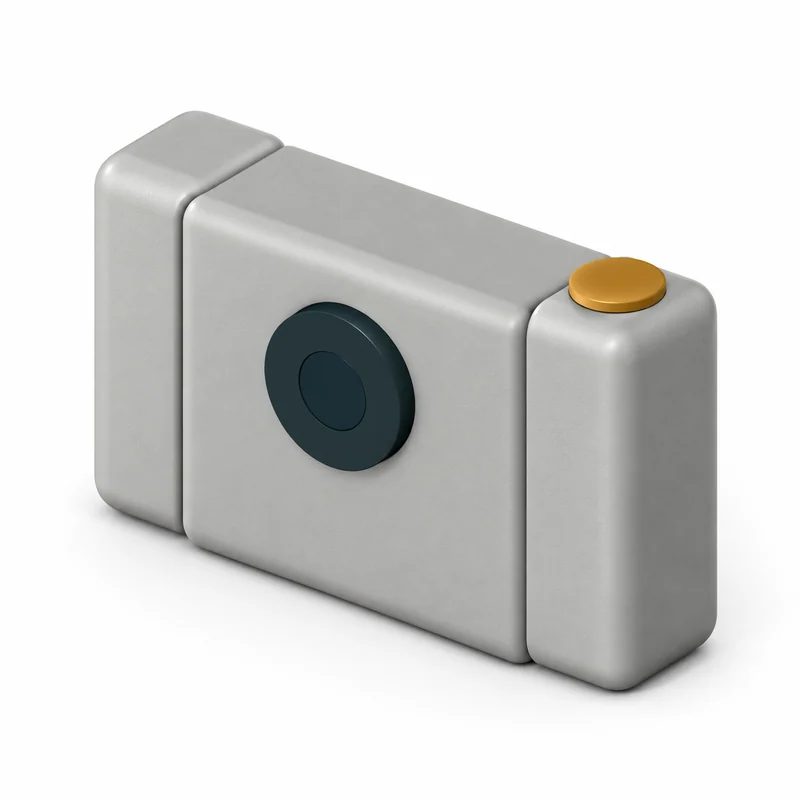
Frame a moment, then tell its story.
A proposed camera-first experience for shared walks and observation tasks, with fewer entertainment modes competing for attention.
Agree a photo task
An adult introduces an observation idea and checks storage and power.
Hold and frame
The user holds the two grip areas and frames a subject on the proposed rear display.
Capture and review
A large shutter is proposed for taking a picture, followed by a simple review flow.
Share with an adult
An adult would manage wired export and choose pictures to discuss. No wireless sharing is proposed.
Two grip areas around a central camera
The proposed wide body separates the grip zones from the lens and rear display. Grip spacing, weight, buttons and component fit still need physical evaluation.
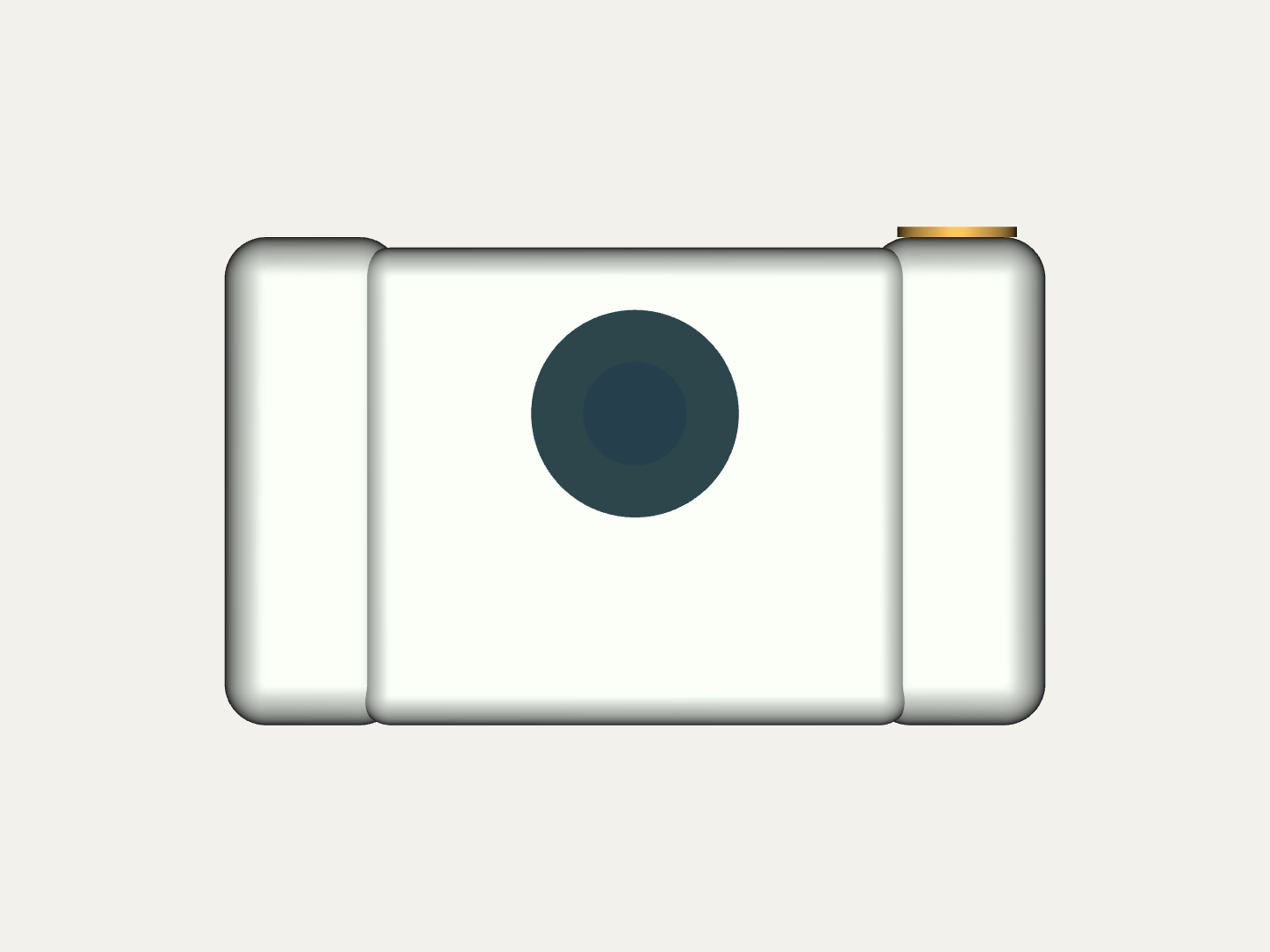
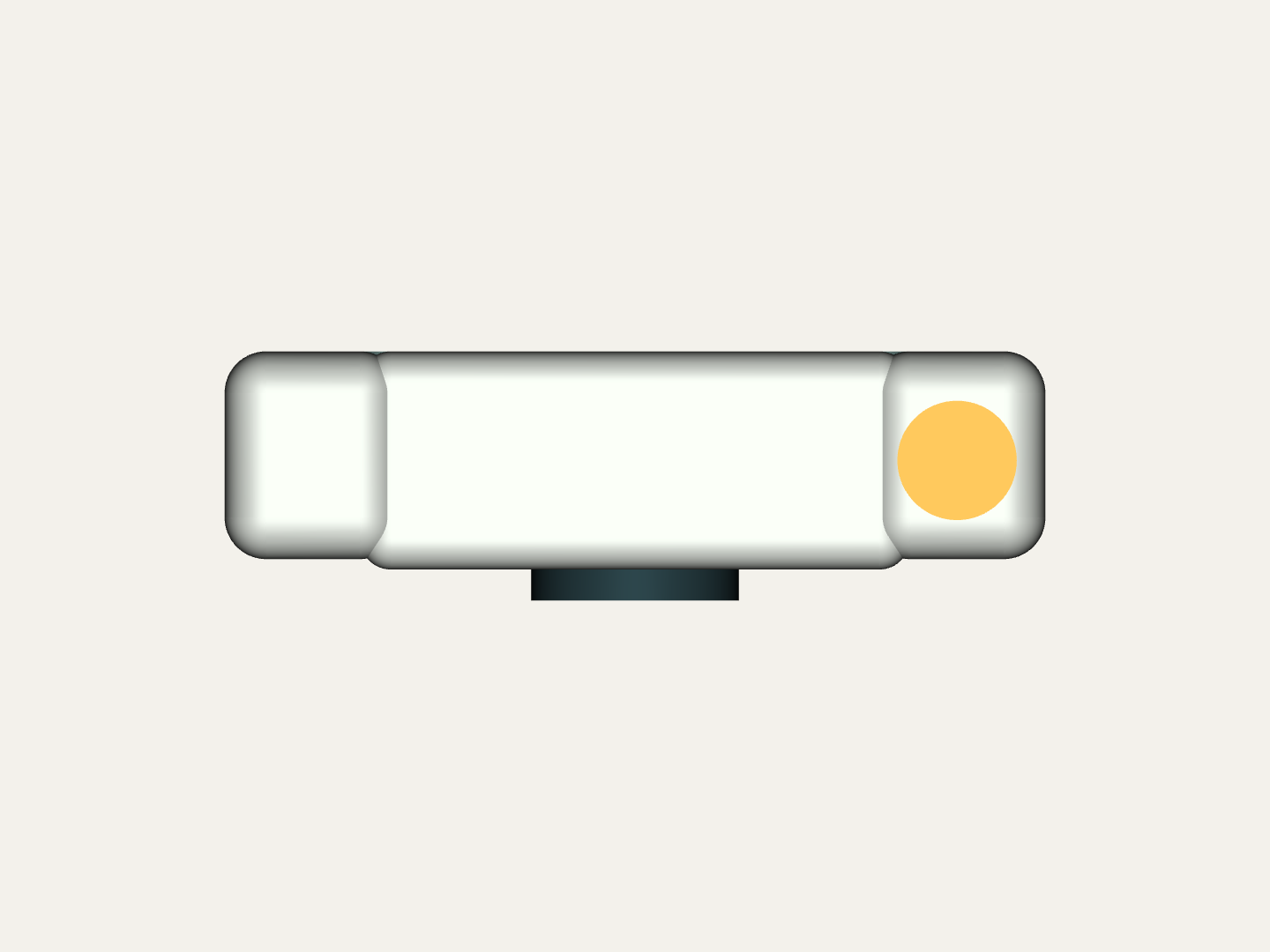
All views are digital concept images, not photographs of a physical prototype.
Proposed design inputs
| Experience | Offline capture and review with a two-grip posture |
|---|---|
| Controls | A large shutter and two review/menu controls are proposed |
| Display | A landscape preview display is a design direction |
| Power | Protected rechargeable battery arrangement under evaluation |
| Design envelope | Approximately 158 W × 96 H × 48 D mm; not physically verified |
| Age grading | Not established; target audience needs evaluation |
A starting point for your product brief
Requirements can be explored during a future development brief, subject to feasibility, ownership, cost and validation agreement.
Share your requirementsFrom an idea to a development decision
Agree the task
Define the audience, market, intended changes and commercial constraints.
Test low-cost ideas
Evaluate a paper/screen mock-up and a full-size form model before custom electronics or tooling.
Check real components
Assess imaging, controls, power, structure and applicable safety requirements with actual modules.
Decide whether to develop
Agree scope, ownership, quotations and validation responsibilities before development decisions.
Questions about this concept
Is TrailFrame an existing physical camera?
No. It is a digital product concept. No physical prototype, tooling, custom PCB or physical validation has been completed.
What image resolution and zoom are available?
They have not been established. Sensor output size, lens quality, focus and usable detail require component selection and real image tests. No zoom claim is offered.
Does it include games, wireless sharing or voice recording?
These are outside the proposed MVP. The starting point is offline picture capture and review with adult-managed wired export.
What age is it suitable for?
Final age grading, content suitability and safety requirements remain to be evaluated.
Can it be adapted for our range?
Appearance, grip arrangement, UI and requirements can be discussed in a development brief, subject to feasibility, ownership, cost and validation agreement.
What are the price, MOQ and lead time?
They are not set. They require an agreed specification, prototype scope and supplier assessment.
Would this direction fit your product range?
Share your target audience, market and intended changes. Start with a concept review, not an order for an existing physical product.