

ReadLoop Acoustic Voice Guide Concept
Digital concept · Not physically validated
A proposed screen-free acoustic guide for hearing one’s own reading voice. The selected idea uses a passive external sound path rather than batteries, recording or speech recognition; acoustic performance is untested.
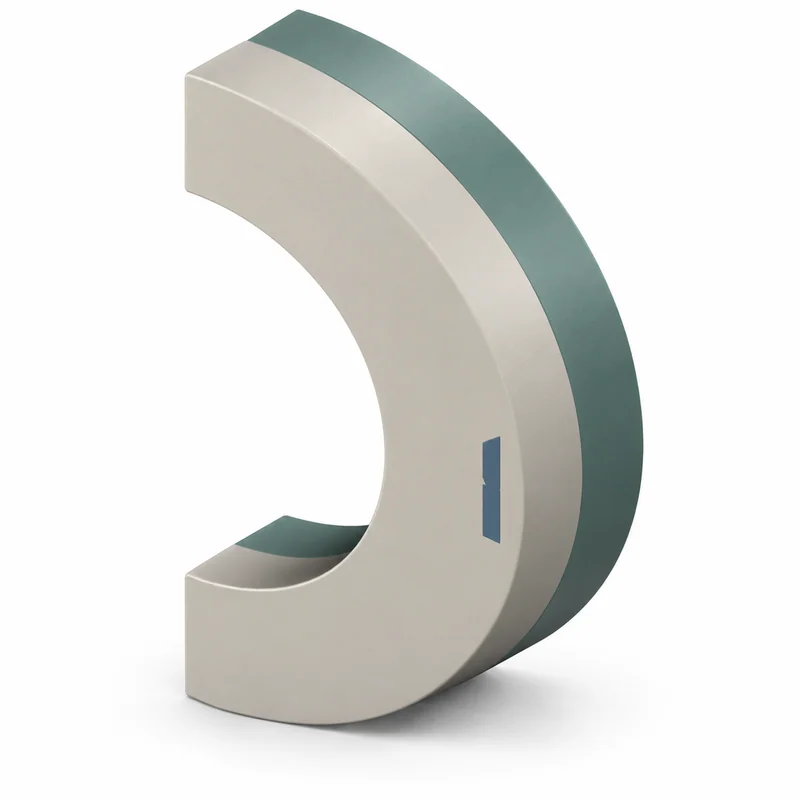
Hear a reading voice through a passive path
A proposed screen-free acoustic guide for hearing one’s own reading voice. The selected idea uses a passive external sound path rather than batteries, recording or speech recognition; acoustic performance is untested.
Review the positioning
The proposed guide would sit outside the mouth and ear, without insertion. Fit must be evaluated in a prototype.
Read in a gentle voice
The concept explores passive self-listening rather than electronic amplification.
Listen and adjust naturally
The reader would hear their own voice; no recognition, scoring or therapeutic outcome is proposed.
Put away and clean
A future design would need an evaluated cleaning and storage process.
An external acoustic guide
The selected direction uses a passive external sound path between a speaking opening and a listening opening. It proposes no batteries or recording. Positioning, acoustic response, cleanability and comfort must be tested before claims can be made.


All views are digital concept images, not photographs of a physical prototype.
Proposed design inputs
| Route | Passive acoustic concept; no electronics in the selected version |
|---|---|
| Operation | Handheld external voice path; no insertion |
| Media | No recordings, app or answer bank |
| Concept envelope | Approximately 80 W × 126 H × 34 D mm |
| Next test | Positioning, hygiene, acoustic gain and sound exposure |
| Performance | No proven educational, medical or hearing benefit |
A starting point for your product brief
Choose this direction as a reference, then define what your customers need. These are possible development discussions, not confirmed ready-made options.
Share your requirementsFrom an idea to a development decision
Agree the brief
Define the audience, sales market, intended experience, original content, changes and commercial constraints.
Check the experience
Use simple mock-ups and a full-size form model to assess the proposed task before committing to tooling or custom electronics.
Evaluate feasibility
Review real components or mechanisms, power where applicable, usability, structure and market-specific safety requirements.
Decide whether to develop
Agree scope, ownership, budget, prototype stages and validation responsibilities. Tooling and production assessment would be later decisions.
Questions about this concept
Is this an existing physical product?
No. This is an original digital concept for review. No physical prototype, mould tooling, custom PCB or physical validation has been completed.
Are the proposed functions and dimensions verified?
No. They are design starting points for a development brief. Real components, usability, materials, safety and performance need evaluation.
Can this be adapted for our project?
Audience, appearance, interaction and applicable content can be discussed. Feasibility, ownership, scope, cost and validation responsibilities need agreement before development.
Would this direction fit your product range?
Share your target market, intended users and changes. Begin with a concept review and a development brief.