
Language Meadow Picture Audio Playboard Concept
Digital concept · Not physically validated
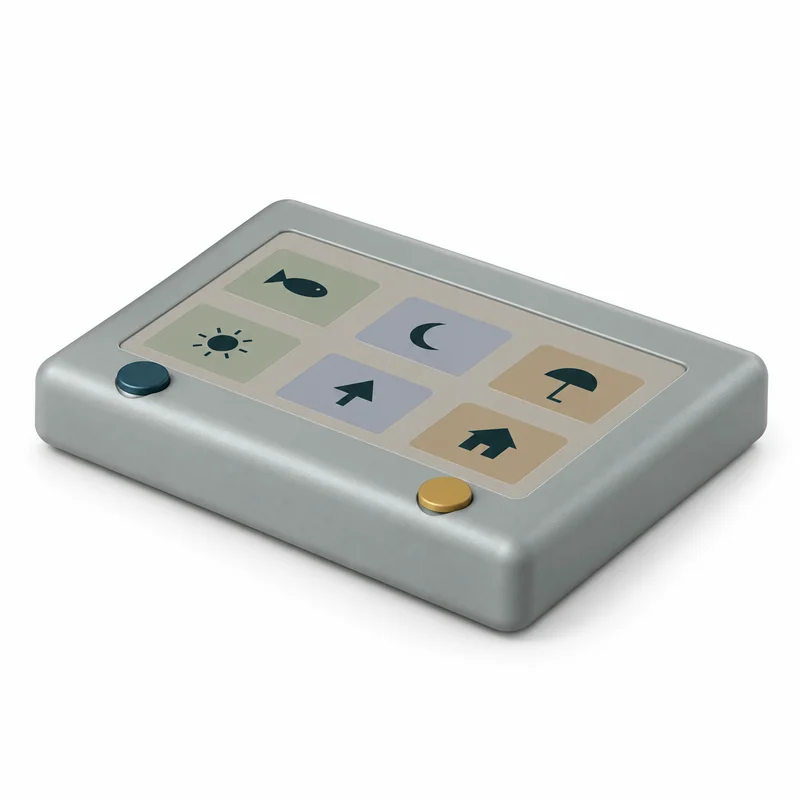
A wide, screen-free picture playboard concept with six large press areas and a proposed two-language audio route. Original scene panels and an adult theme-selection step form the starting point for development discussion.
Explore a scene through pictures and sound
A wide, screen-free picture playboard concept with six large press areas and a proposed two-language audio route. Original scene panels and an adult theme-selection step form the starting point for development discussion.
Prepare a scene
An adult places one of the proposed original panels and selects the matching theme.
Press a large picture area
Six defined press areas are intended to connect a picture with a short recorded word or description.
Choose a language
A dedicated control is proposed for switching between the agreed language versions.
Explore together
Players can revisit pictures and take turns; the concept does not judge pronunciation or promise learning outcomes.
A wide board with six press areas
Six large press areas are arranged across a low tabletop board. Original scene panels and adult theme selection are proposed to connect pictures with a reviewed audio set. Panel alignment, key response, sound exposure and age grading still require evaluation.
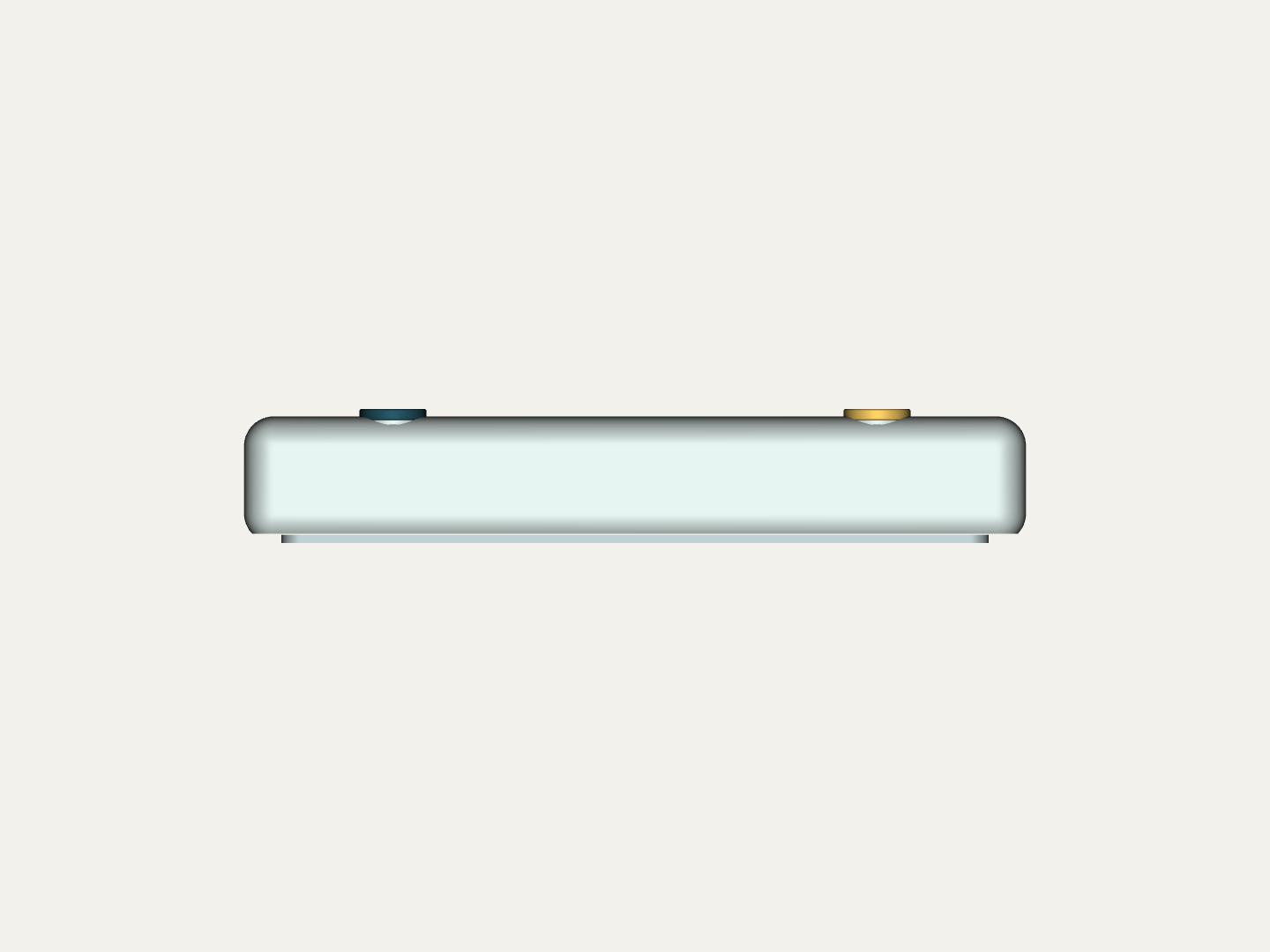
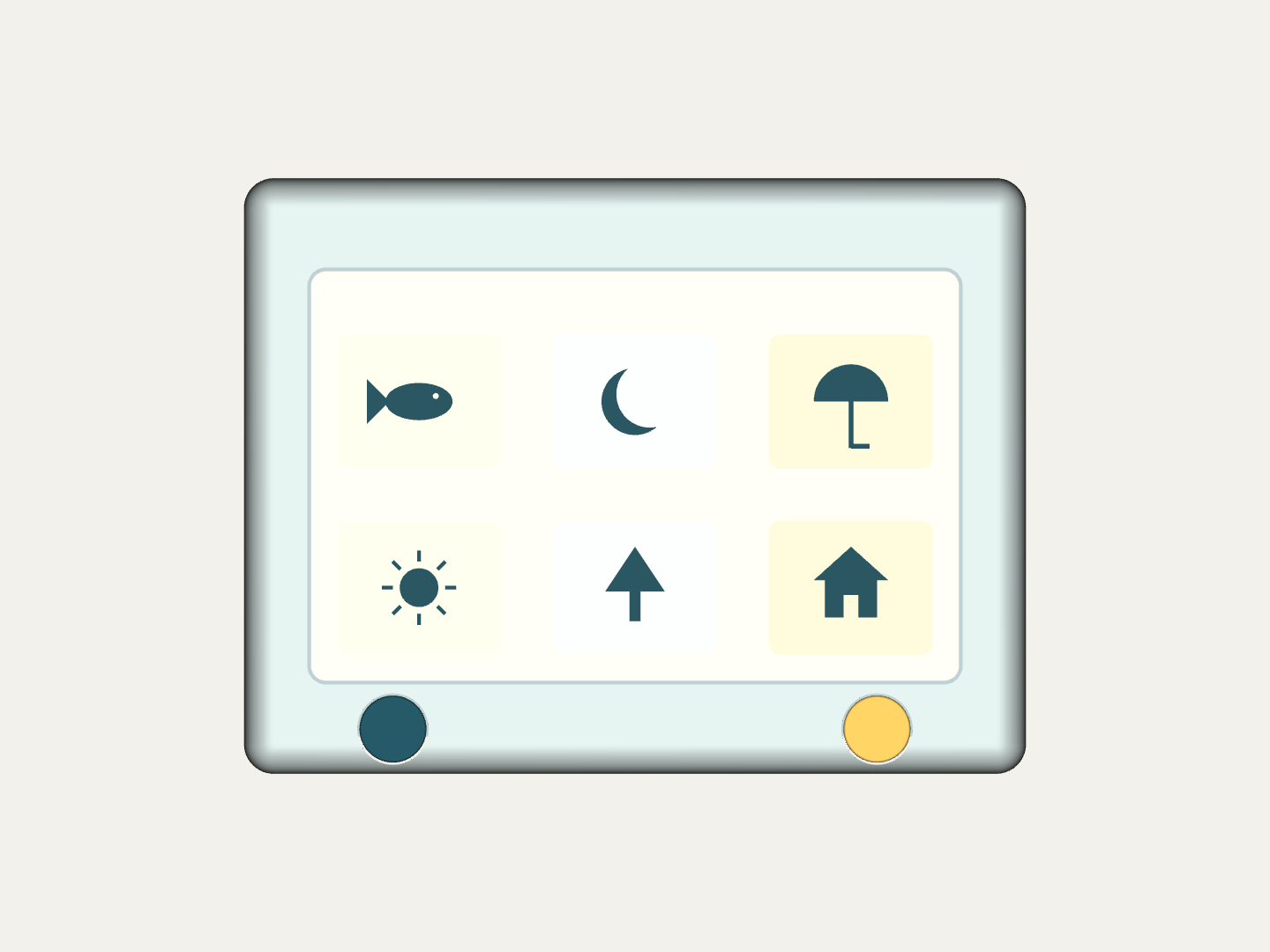
All views are digital concept images, not photographs of a physical prototype.
Proposed design inputs
| Form | Flat, wide picture board with six large press zones |
|---|---|
| Theme selection | Adult selects a matching panel/theme in the initial route; no automatic card recognition claimed |
| Audio | Two-language short recordings proposed; final content/licensing to be developed |
| Operation | Offline; no electronic screen, camera, microphone or cloud route proposed |
| Indicative body | About210W×160D×34H mm; design starting point only |
| Age grading | Not established; intended audience and safety requirements need review |
A starting point for your product brief
Choose this direction as a reference, then define what your customers need. These are possible development discussions, not confirmed ready-made options.
Share your requirementsFrom an idea to a development decision
Agree the brief
Define the audience, sales market, intended experience, original content, changes and commercial constraints.
Check the experience
Use simple mock-ups and a full-size form model to assess the proposed task before committing to tooling or custom electronics.
Evaluate feasibility
Review real components or mechanisms, power where applicable, usability, structure and market-specific safety requirements.
Decide whether to develop
Agree scope, ownership, budget, prototype stages and validation responsibilities. Tooling and production assessment would be later decisions.
Questions about this concept
Does it recognise any picture card automatically?
No. The initial direction uses an adult-selected theme matched to an original scene panel. Automatic coded-panel recognition is only an option to evaluate later.
Is the picture area an electronic screen?
No electronic screen is proposed. Printed original pictures sit over defined press areas.
Does it evaluate a child’s pronunciation?
No. The proposed device plays reviewed recordings; people provide the conversation and guidance.
Is this concept ready to order?
No. It is an original digital concept for review. Feasibility, physical prototypes, tooling, electronics and validation would need a separately agreed development project.
Can it be adapted for our brand or market?
Content, languages, appearance, audience and intended changes can be discussed. Feasibility, ownership, project scope, cost and market-specific safety work would need agreement.
What are the price, MOQ and lead time?
They have not been set. A meaningful quotation requires an agreed specification, prototype scope, feasibility review and supplier assessment.
Would this direction fit your product range?
Share your target market, intended users and changes. Begin with a concept review and a development brief.