

BenchLeaf Digital Observation Bench Concept
Digital concept · Not physically validated
A tabletop observation concept with a stable sample area, fixed shared display and manual focus direction. Optics and image performance remain unvalidated.
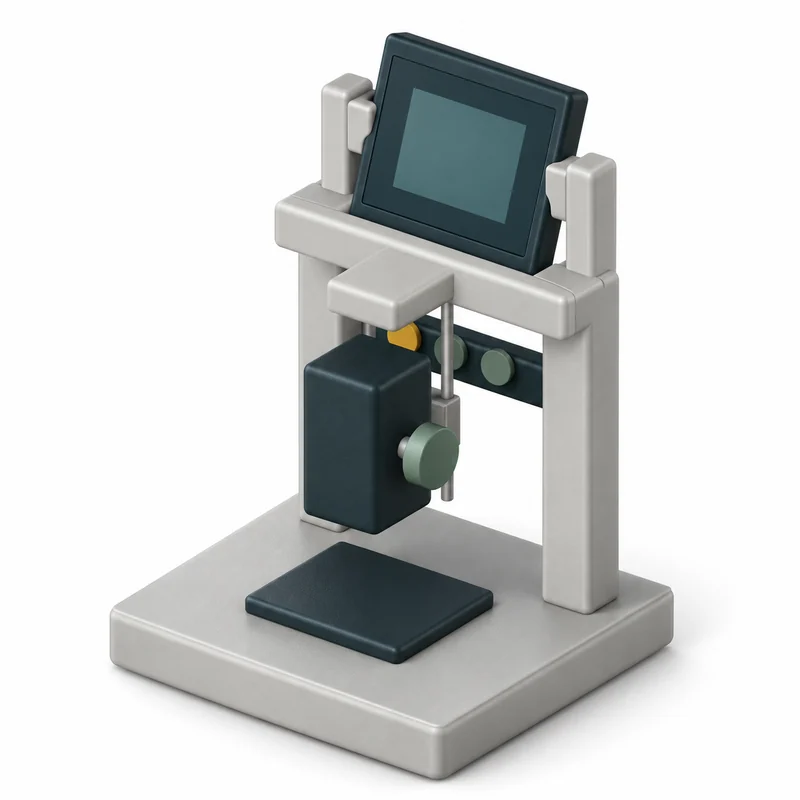
Place, focus and compare discoveries together.
The idea puts sample stability and understandable focusing before large zoom numbers. The starting use case is adult-guided viewing of safe, dry everyday surfaces.
Choose a safe dry sample
An adult prepares an everyday surface such as a dry leaf or fabric and checks the power source.
Place and illuminate
The sample sits on the proposed open platform, with controlled reflected light as the starting direction.
Focus together
A manual focus control and shared screen are proposed for comparing visible surface details.
Save and discuss
A capture flow and adult-managed wired export would support later comparison and discussion.
A fixed display above an open sample workspace
The proposed bench combines a low base, an open dry-sample stage and a bridge-mounted optical pod. A raised fixed rear screen is positioned above the bridge for a proposed shared viewing direction, with front controls and a side focus wheel. Viewing, reach, stability, optics and physical fit still need evaluation.
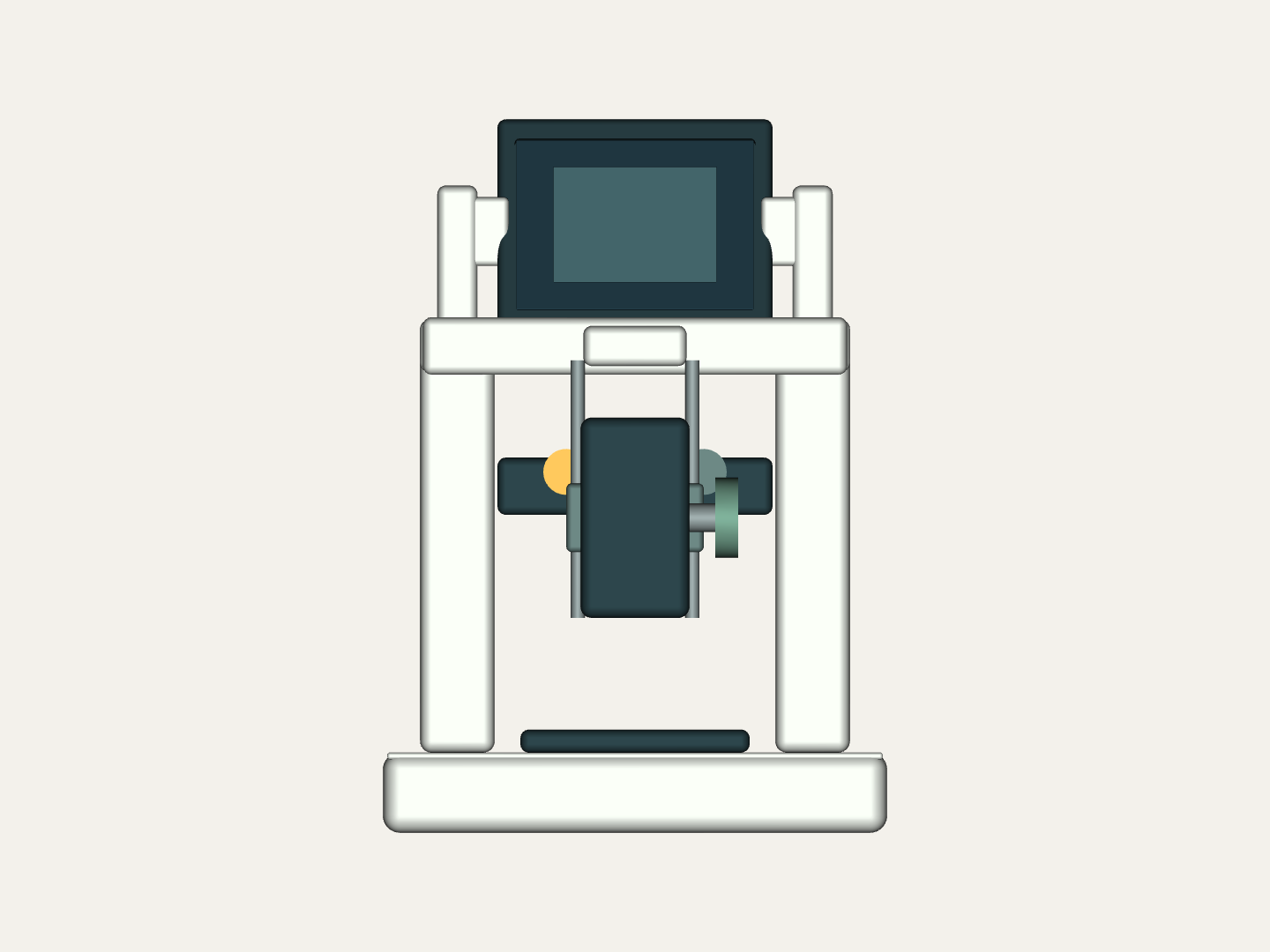
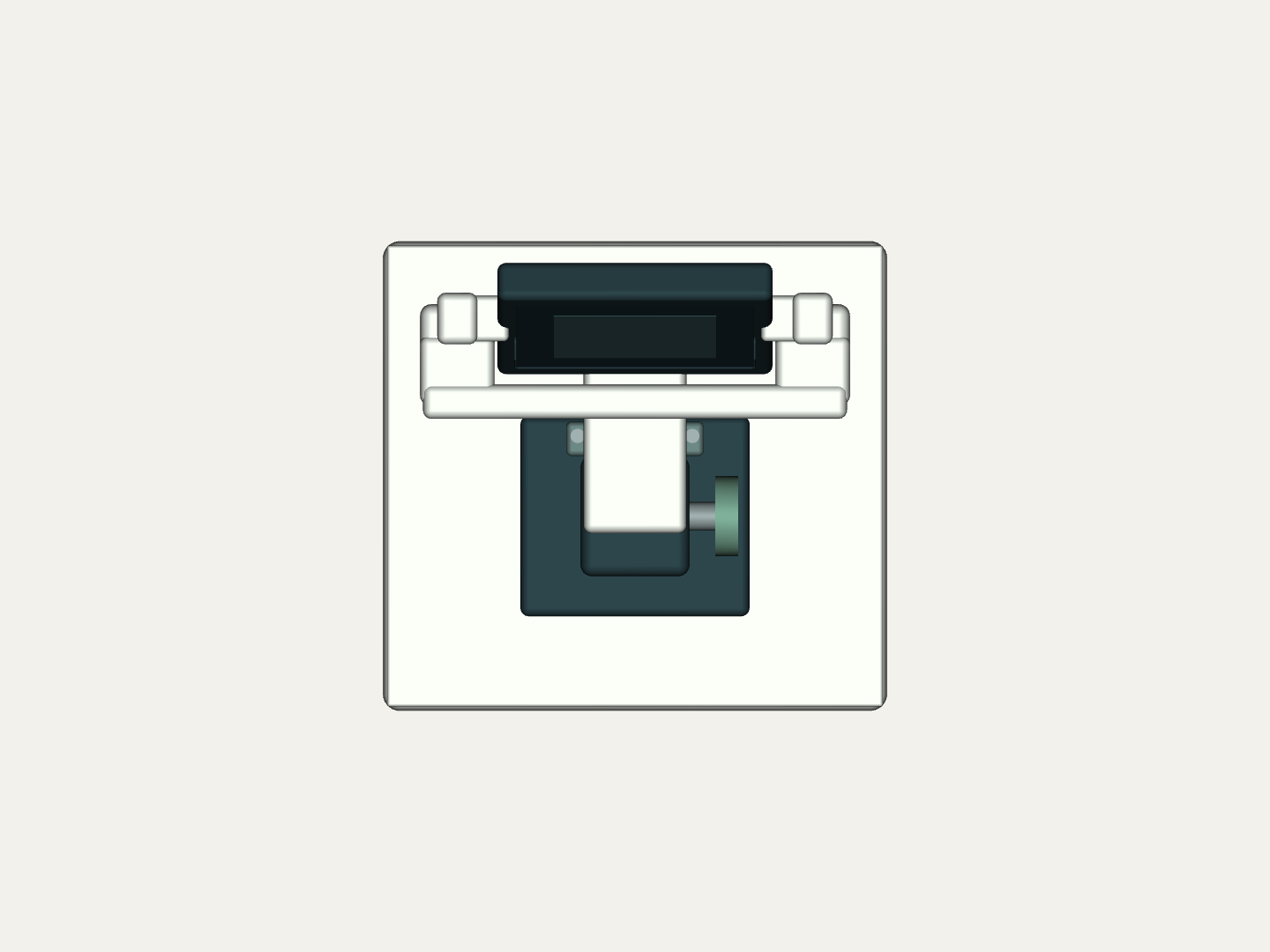
All views are digital concept images, not photographs of a physical prototype.
Proposed design inputs
| Observation direction | Adult-guided viewing of safe dry surfaces |
|---|---|
| Optics | Lens, useful field of view and resolution not established |
| Display | Fixed shared colour screen proposed |
| Focus | Manual vertical adjustment direction; travel and mechanism need validation |
| Power | External 5 V supply direction; suitable source to be selected |
| Design envelope | Approximately 176 W × 164 D × 250 H mm; not physically verified |
| Development stage | Digital concept; no optical or physical performance validation |
A starting point for your product brief
Requirements can be explored during a future development brief, subject to feasibility, ownership, cost and validation agreement.
Share your requirementsFrom an idea to a development decision
Agree the task
Define the audience, market, intended changes and commercial constraints.
Test low-cost ideas
Evaluate a paper/screen mock-up and a full-size form model before custom electronics or tooling.
Check real components
Assess imaging, controls, power, structure and applicable safety requirements with actual modules.
Decide whether to develop
Agree scope, ownership, quotations and validation responsibilities before development decisions.
Questions about this concept
What magnification or resolution does BenchLeaf provide?
Neither has been established. Lens properties, field of view, sensor sampling, lighting and real target tests are needed. Digital enlargement or sensor pixel count alone does not prove optical detail.
Can it be used for medical work or to identify bacteria?
No such capability is proposed or established. This concept starts with guided exploration of safe dry everyday surfaces, not diagnosis, pathogen handling or precision measurement.
Is it a handheld microscope?
The selected direction is a fixed tabletop bench with a shared display. A handheld or hinged-screen format is not part of this proposed MVP.
Is a battery or wireless sharing included?
The starting concept uses external power and adult-managed wired export. No internal battery or wireless sharing is proposed.
Do the images show working optics or a physical sample?
No. They show a digital concept model. No physical prototype, mould tooling, custom PCB, optical test or other physical validation has been completed.
Can the concept be developed for our market?
The observation tasks, optics, form and content can be discussed in a development brief. Age grading, feasibility, ownership, cost and applicable safety requirements need evaluation before development.
Would this direction fit your product range?
Share your target audience, market and intended changes. Start with a concept review, not an order for an existing physical product.